Climate
Is the rise of Cat 5 Hurricanes a result of Climate change?
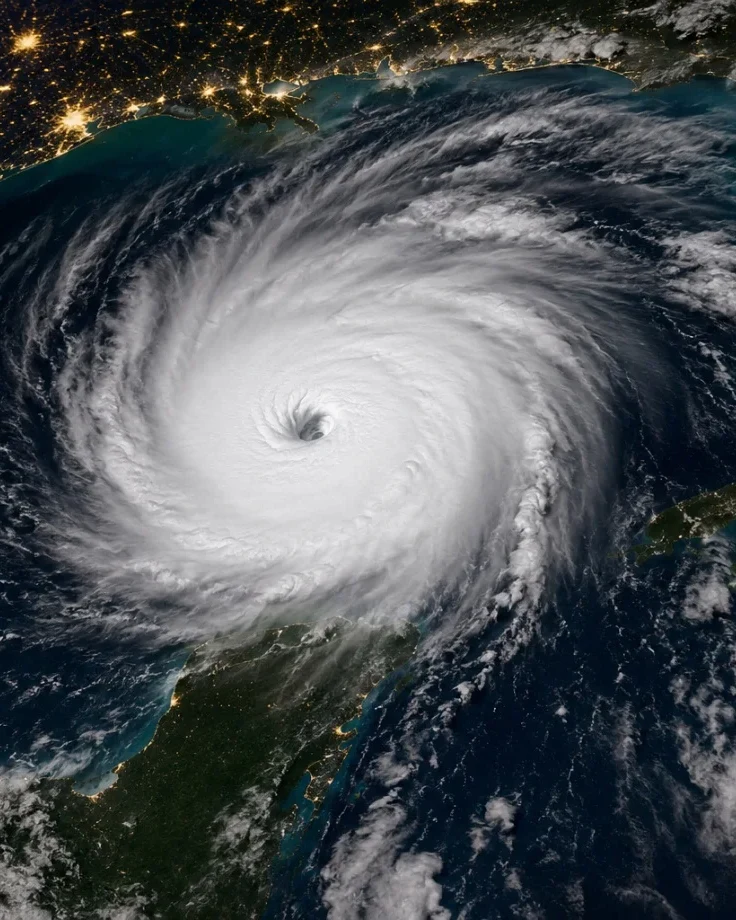
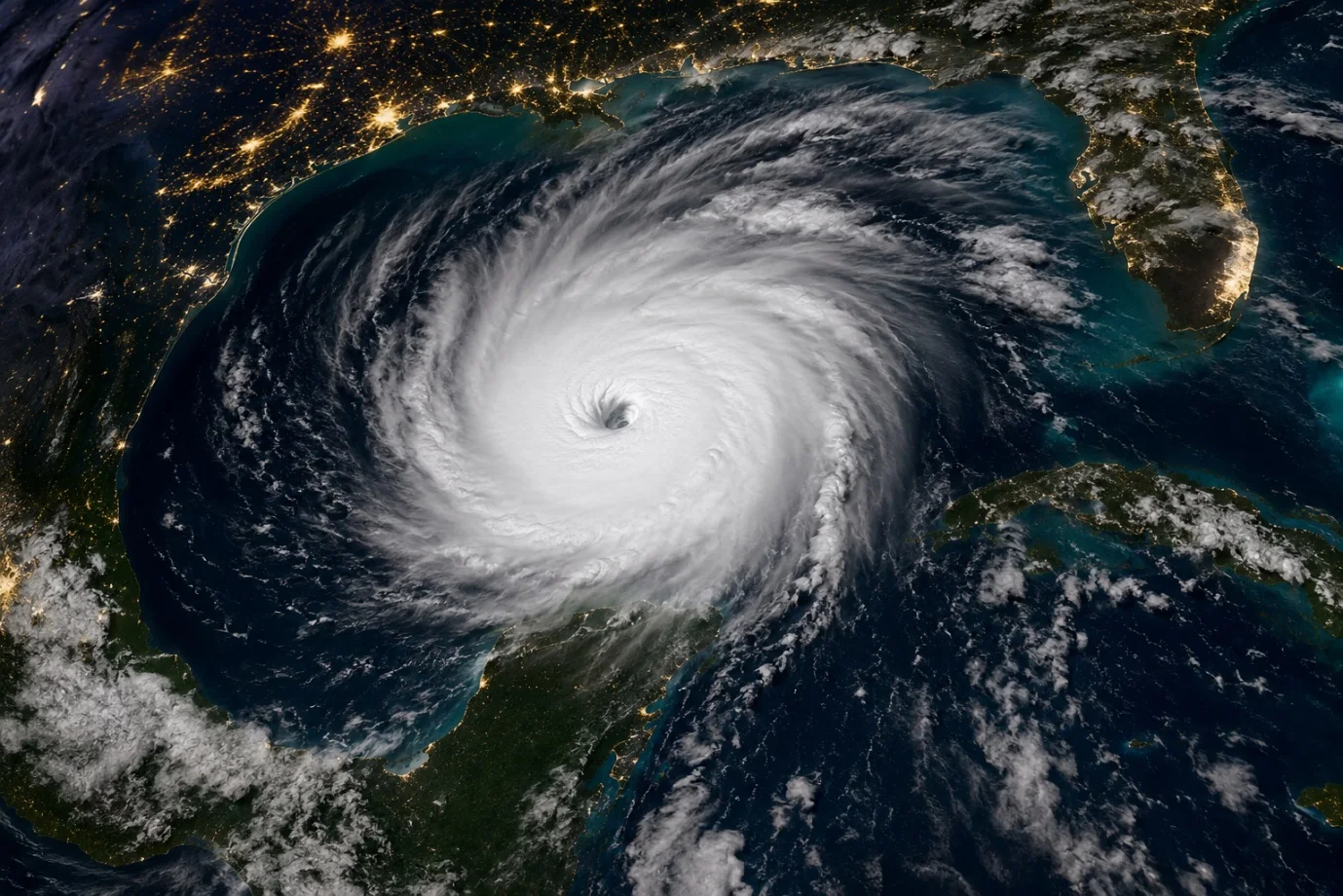
The increase in atmospheric CO₂ sets off a cascading chain of events. As greenhouse gases trap more heat, global temperatures rise and the oceans absorb most of this excess energy. At the same time, melting polar ice caps reduce the Earth’s ability to reflect sunlight back into space, causing even more heat to be absorbed by the oceans. This self-reinforcing feedback loop creates warmer seas that provide the fuel for more powerful tropical cyclones.

The result is a new generation of storms that intensify rapidly, produce heavier rainfall, generate larger storm surges, and leave behind unprecedented destruction. Homes, hospitals, ports, power grids, roads, and critical infrastructure suffer billions of dollars in damage, while communities face the tragic loss of lives and livelihoods.
Breaking this feedback loop is one of humanity’s greatest challenges. By reducing greenhouse gas emissions, protecting and restoring natural carbon sinks, accelerating the transition to clean energy, and building more resilient infrastructure, we can slow the warming of the planet and reduce the conditions that fuel the most destructive storms.
While extreme weather cannot be eliminated entirely, its severity and impact can be significantly reduced through decisive climate action today.