Perspective
Is Japan Halting Its Biggest Export?
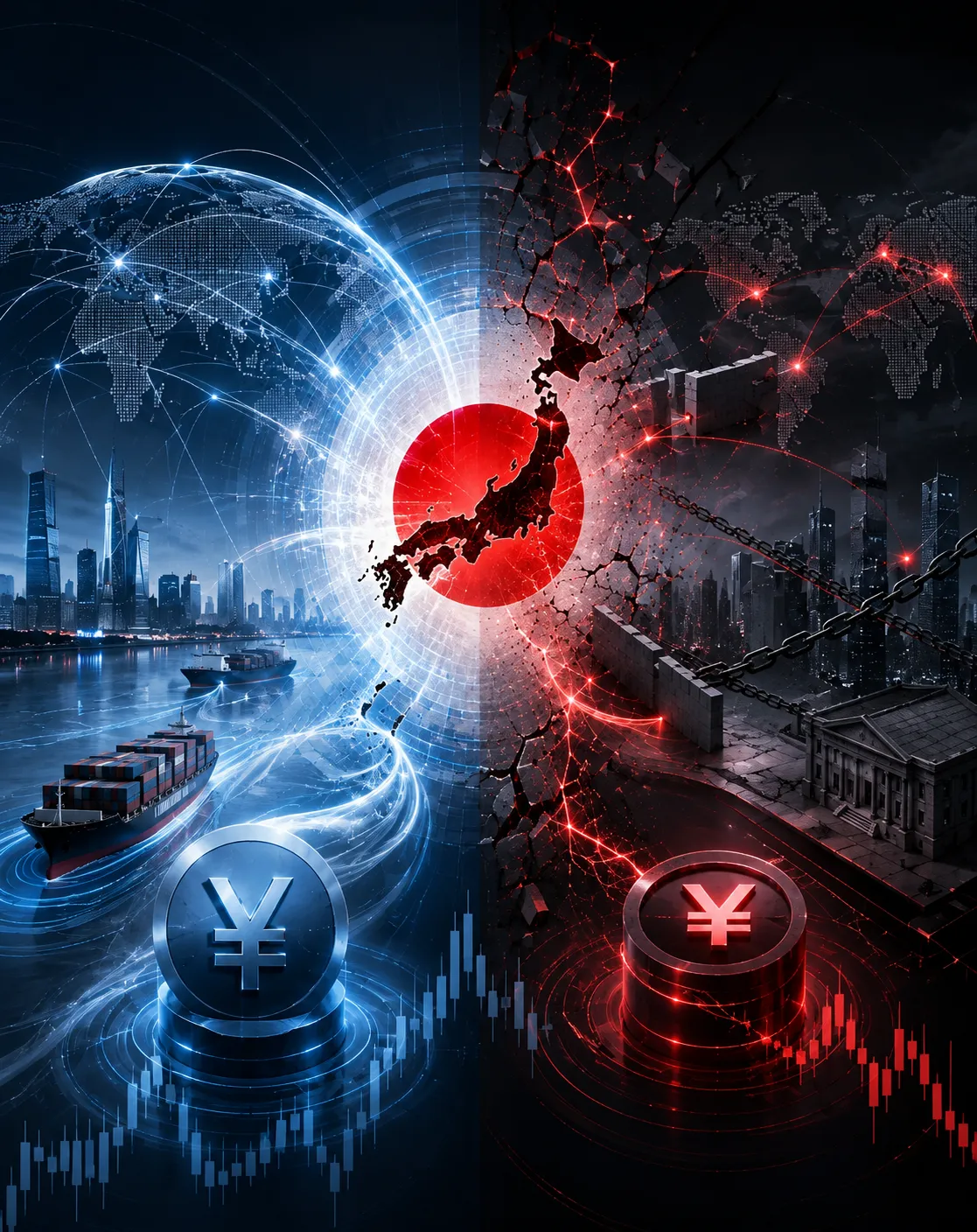
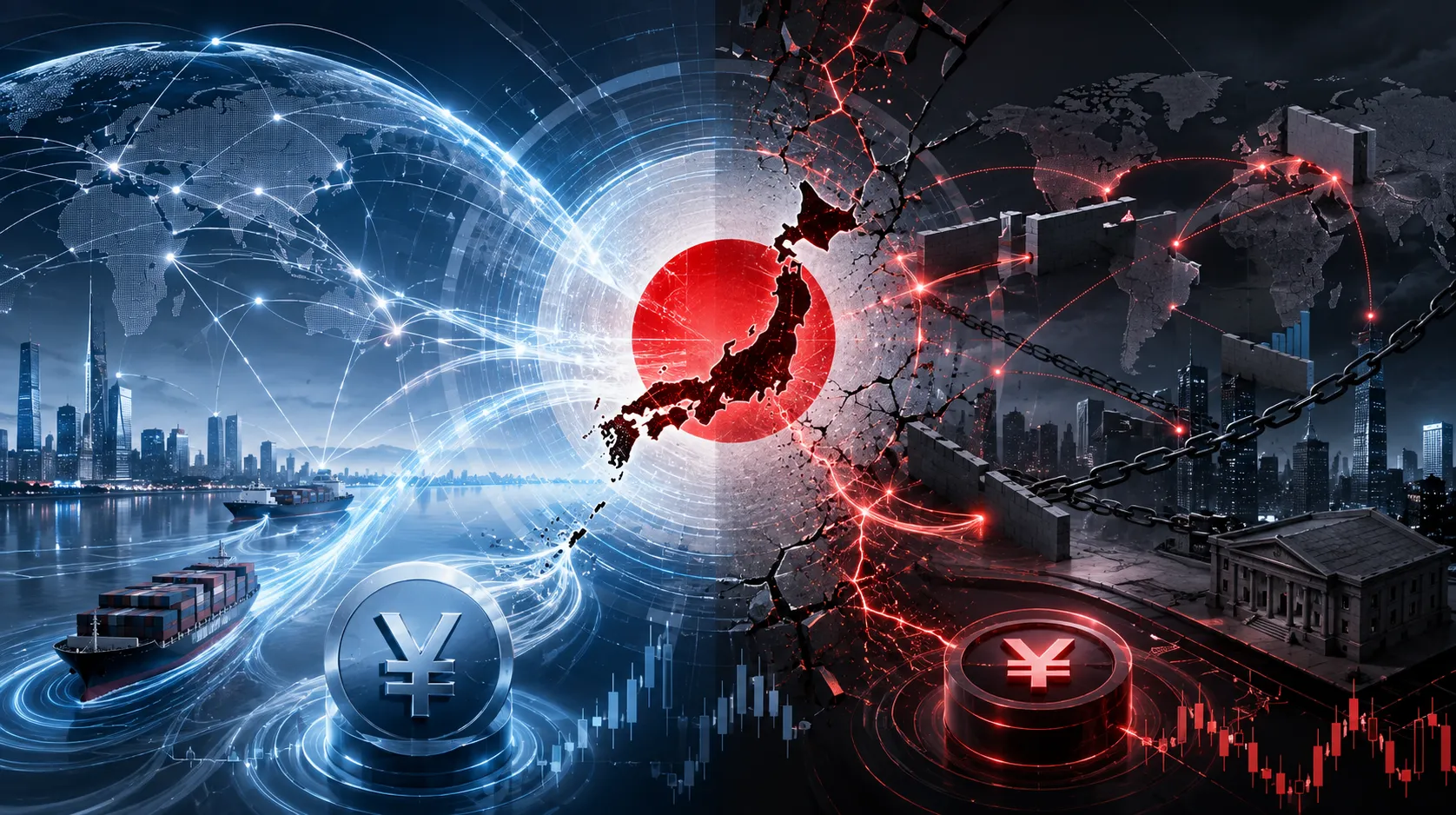
For more than three decades, globalization was built on three pillars: free trade, free movement of capital, and increasingly integrated financial markets. Trade agreements lowered tariffs, investment flowed across borders, and major currencies became freely convertible. The assumption was that economic integration would deliver greater prosperity and stability for everyone. That landscape is changing.
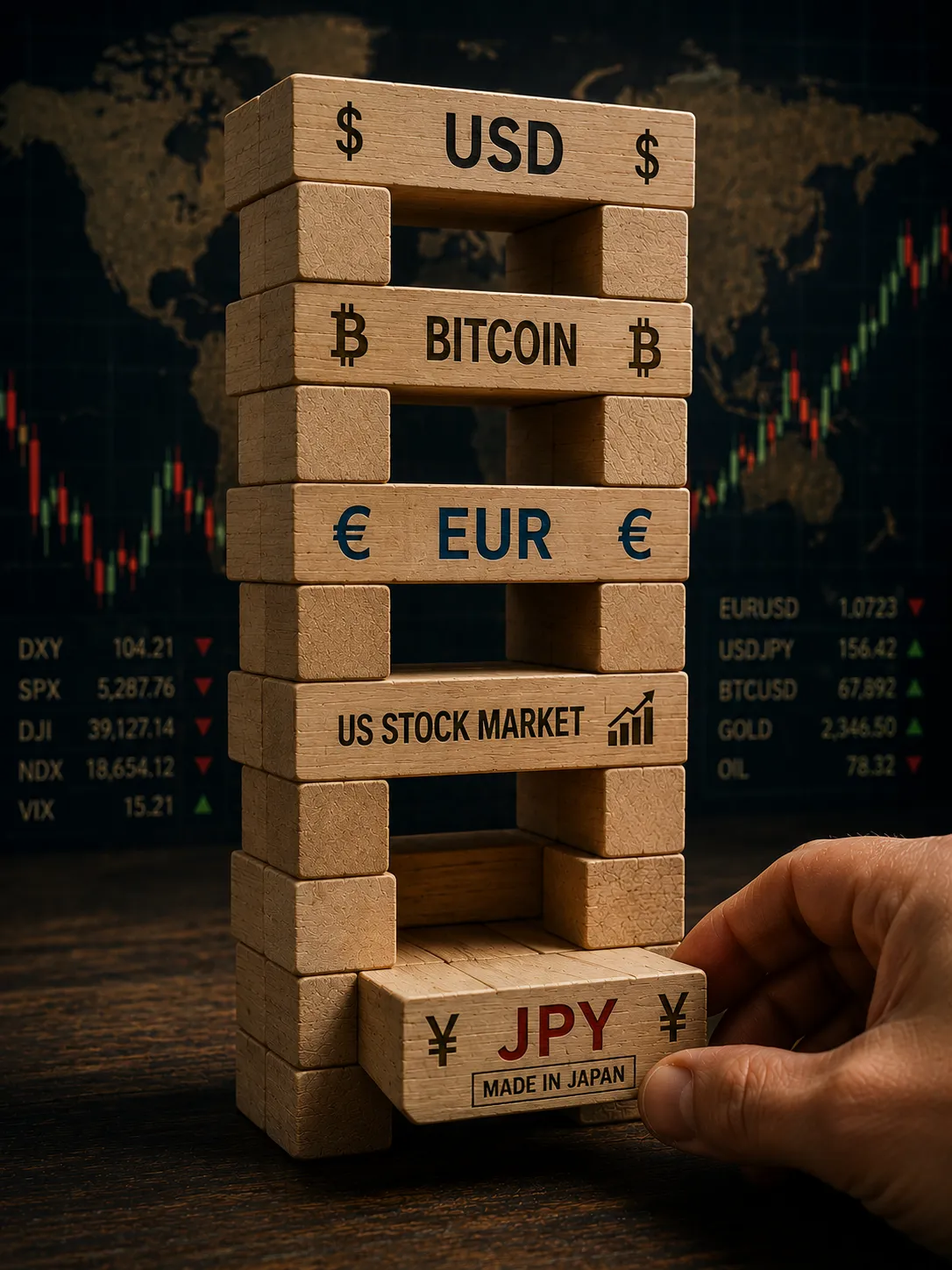
In recent years, countries have increasingly turned to tariffs, export controls, sanctions and restrictions on strategic technologies. Supply chains are being reshaped around national security rather than cost efficiency. The world is moving from globalization toward regionalization.
The next question is whether financial systems could follow the same path.
Recent market attention surrounding reported coordinated efforts by the United States and Japan to support the Japanese yen, along with speculation that euro assets were sold as part of the intervention, has reignited debate about how far governments are willing to influence currency markets. While central bank interventions are not new, they remind investors that exchange rates are not always left entirely to market forces.
If governments become increasingly focused on protecting domestic industries and financial stability, capital controls could become a more common policy tool. These need not resemble the strict controls seen in emerging economies. Instead, they may emerge gradually through tighter reporting requirements, taxes on certain capital flows, restrictions on foreign investment in strategic sectors, or limits designed to reduce speculative currency movements during periods of stress. Such measures would represent a significant shift from the era when capital moved almost as freely as goods and services.
There are also powerful reasons why policymakers may resist broad financial barriers. Open capital markets reduce borrowing costs, support international investment, strengthen reserve currencies, and reinforce confidence in financial systems. Excessive restrictions risk reducing foreign investment, increasing financing costs, and encouraging capital to seek alternative jurisdictions.
The most likely outcome is not a complete reversal of financial globalization, but a more selective and gradual approach. Capital may continue to flow freely between trusted allies while facing greater scrutiny when moving across geopolitical blocs. In effect, the world could evolve into several interconnected financial networks rather than a single, fully integrated global market, at least in the short term. However, if this trend continues and conflicts and differences keep increasing, we could be moving toward a global financial system that is significantly more restricted.
The progression from free trade agreements to trade barriers has already reshaped global commerce. Whether this evolution extends to currency and capital flows will depend on how governments balance national security, economic resilience, and financial openness. The coming decade may not mark the end of globalization, but rather its transformation into a more fragmented financial order. Investors should begin considering how their portfolios would perform in a world where capital does not move as freely as it has over the past twenty to thirty years.
For a deeper understanding, read up on the Japanese yen carry trade.
Read more ideas
Ideas
Sixth
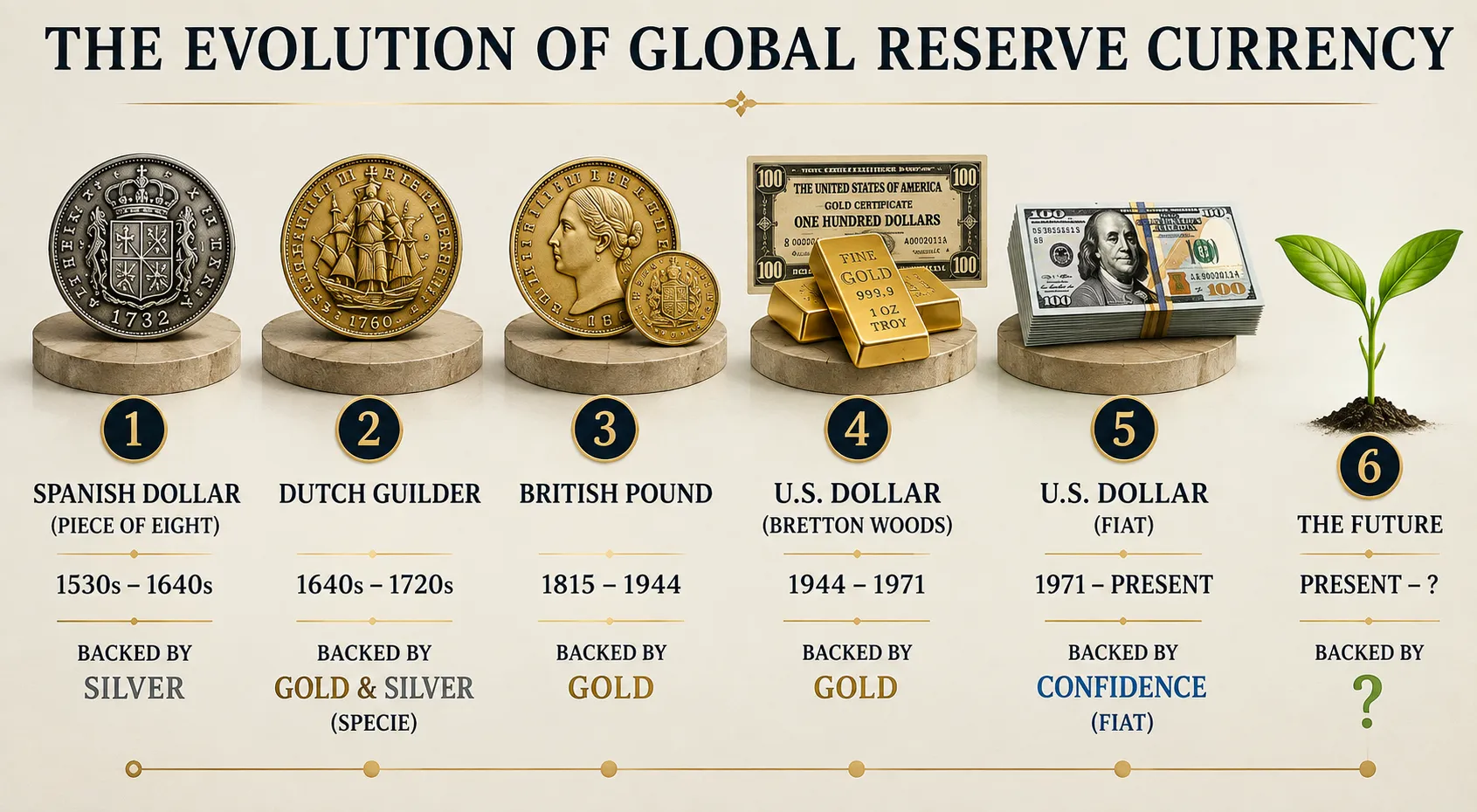
What is the 6th global reserve currency?